
An AI influencer is a character who does not exist, with an audience that does. She has a face, a name, a personality and a posting schedule — and none of it requires anyone to stand in front of a camera. Brands pay her. People follow her. She never has an off day.
Twelve of them have been doing this long enough to leave a record: which brands signed, which business models paid, and which approach fell apart. Below is what each one did, and what you can take from it if you want to start one.
The twelve, by size
Checked on 30 August 2026 via Social Blade, which publishes these openly — Instagram itself no longer does. Sorted by audience.
| Account | Followers | Posts | Main model |
|---|---|---|---|
| Lu do Magalu | 9,560,236 | 4,139 | E-commerce |
| Lil Miquela | 2,260,282 | 1,499 | Sponsorship, music |
| Noonoouri | 458,531 | 2,251 | Luxury fashion |
| Thalasya | 450,347 | 3 | Travel |
| Aitana López | 403,737 | 355 | Subscription, ads |
| Imma | 378,136 | 959 | Sponsorship |
| Shudu | 235,819 | 210 | Licensing |
| FN Meka | 201,464 | 0 | Music — ended |
| Bermuda | 198,405 | 268 | Sponsorship |
| Blawko | 109,641 | 162 | Streetwear |
| Rae | 20,139 | 507 | Sponsorship |
| Ayayi | 11,571 | 107 | Luxury, NFT |
Two columns worth reading together. Ayayi has 11,571 followers and works with Louis Vuitton, which tells you brand deals in this space are not bought with audience size. And FN Meka has 201K followers and no posts at all — see below.
The three that proved it works
Lil Miquela — the one that opened the door
@lilmiquela — a 19-year-old Brazilian-American musician from Los Angeles with freckles and space buns, who has been 19 since 2016. Created by the LA studio Brud, she has worked with Prada, Calvin Klein and Samsung, released music on Spotify, and sold merchandise and digital art.
What to take: Miquela's value was never the rendering — it was the storyline. She had a backstory, drama, opinions, a fake feud. Brands bought a character with an audience invested in what happened to her next, which is a different product from a pretty picture.
Shudu — the first AI supermodel
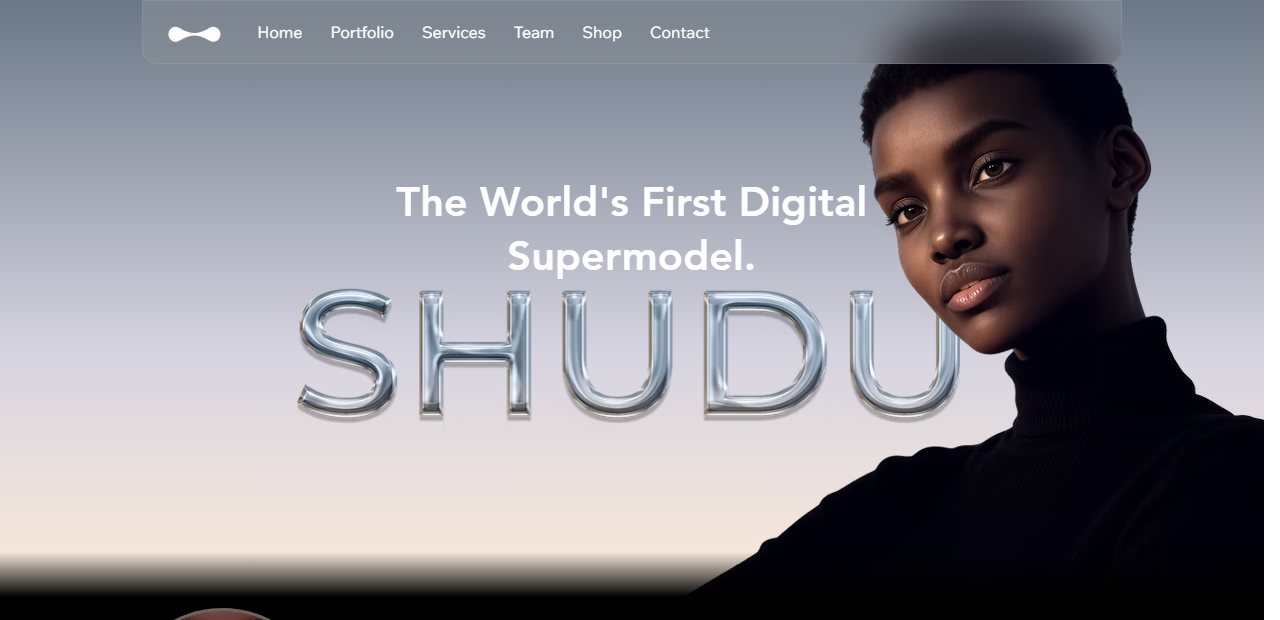
@shudu.gram — created by British fashion photographer Cameron-James Wilson, Shudu has appeared in campaigns for Balmain and Fenty Beauty. Her model is not sponsorship so much as licensing: brands pay for the right to use her image, the way they would license a photograph.
What to take: This is the closest thing on the list to a one-person operation — a photographer who applied his existing craft to a character instead of a person. If you already have a visual skill, the character is a new place to put it, not a new career.
Noonoouri — the one that isn't trying to look real
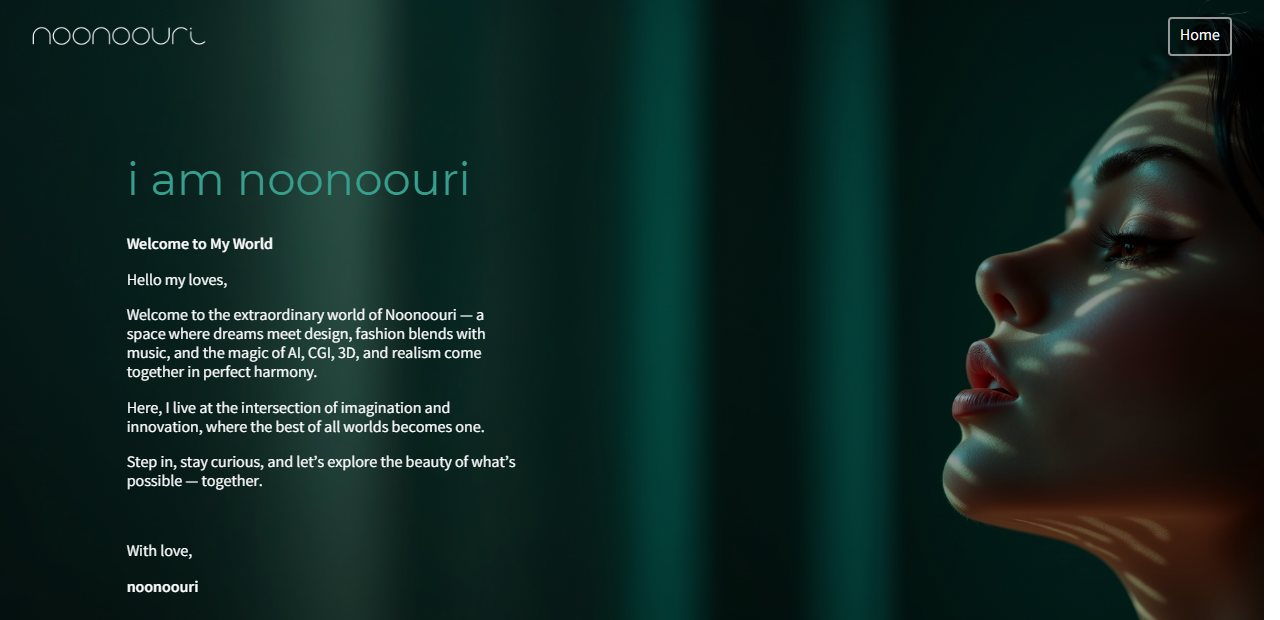
@noonoouri — created by Joerg Zuber. She built her reputation as an openly stylised character — big eyes, doll proportions, no attempt at photorealism — and it was in that form that she worked with Dior, Balenciaga and Marc Jacobs and signed a record deal with Warner Music in 2023. Her own site has since shifted toward a realistic render.
What to take: This is the most useful case on the whole list for a beginner. Photorealism is the expensive, difficult, easily-broken path, and it is not what decides whether this works. A consistent stylised character is cheaper to produce and far easier to keep looking the same across hundreds of posts — and Noonoouri landed Dior that way, before she could render like this.
The one with a business behind her
Lu do Magalu — the highest-earning model on the list, and the least copyable
@magazineluiza — Brazil's biggest virtual influencer, and not a side project: Lu is the official face of Magazine Luiza, one of Brazil's largest retailers. She reviews products, appears in video ads, and drives traffic to a shop that was already there.
What to take: Lu makes money through affiliate and direct product sales, which is the single most accessible model on this list — but she did not build an audience and then find products. The retailer existed first. The transferable version for a solo creator is the same order of operations: decide what you are selling before you design who is selling it.
The regional players — the realistic template
Four of the twelve were built for a specific country or market rather than for global fame. This is the group worth studying if you are starting from nothing, because none of them needed to be famous everywhere to get paid.
- Imma @imma.gram (Japan, 378K followers) — pink bob, hyper-real CGI, work with Porsche, Valentino and IKEA. Japan's first, and still the reference point there.
- Ayayi @ayayi.iiiii (China, 12K followers) — luxury and metaverse focus, with Louis Vuitton and Guerlain. Built around digital fashion.
- Rae @here.is.rae (Singapore, 20K followers) — created for brand sponsorship in the Singapore tech market, deliberately narrow.
- Thalasya @thalasya_ (Indonesia, 450K followers) — a travel influencer promoting Indonesian destinations, earning through tourism and hospitality partnerships.
Look at Rae: 20K followers, and built to sell to Singaporean tech brands. That is a smaller audience than plenty of hobby accounts, attached to a real budget.
What to take: A market is not the same as an audience size. Thalasya sells to Indonesian tourism boards; Rae sells to Singaporean tech brands. Both are small ponds with real budgets in them. A local niche with buyers beats a global niche without them, and it is a far shorter route to a first paying client.
The one at the scale you would actually start at
Aitana López — the numbers everybody quotes, and the one they leave out
@fit_aitana — a pink-haired fitness and lifestyle model from Barcelona, created by the agency The Clueless. Her designer, Rubén Cruz, has said he built her after clients kept cancelling shoots with human models. She earns from brand deals — she became the face of a sports supplement company — and from a subscription page on Fanvue.
The figure that circulates is €10,000 a month. The full quote, reported by Forbes in November 2023 and Euronews the following year, is that €10,000 is her best month. The average is around €3,000, at roughly €1,000 per advert. Both figures come from her agency, so treat them as what the people selling this say it earns.
What to take: Plan against €3,000, not €10,000 — and note the shape of it. A few thousand a month from a handful of ad placements plus a subscription page is a realistic target for one person. It is also a completely different business from Lil Miquela's, and much more likely to be yours.
The personality experiments
Bermuda @bermudaisbae and Blawko @blawko22, both from Brud, exist to test how far a character's personality can be pushed. Bermuda is deliberately provocative and politically outspoken; Blawko is a masked streetwear character built entirely on an attitude. Both drive engagement through personality rather than through what they are selling.
What to take: A character needs a point of view or there is nothing to follow. But a point of view is a commitment — see below.
The one that went wrong, and why it matters
FN Meka — signed and dropped in under a week
@fnmeka — an AI rapper with millions of TikTok followers, built on AI-generated lyrics and visuals. In August 2022 he signed with Capitol Records. Within days, Capitol terminated the deal.
The backlash was over racial stereotyping: the character had used a racial slur in a 2019 track and posted an image of itself being beaten by a police officer. The advocacy group Industry Blackout called the project an "abomination", and Capitol publicly apologised for signing it "without asking enough questions about equity and the creative process behind it."
The project did not recover. As of 30 August 2026 the Instagram account still shows 201K followers and zero posts — everything deleted — and fnmeka.com is a parked domain, listed for sale.
What to take: This is the risk nobody mentions when they tell you controversy drives reach. A character has no judgement of its own — every choice it makes is one you made. Decide what your character will never say before it has an audience, because you cannot delete a persona once it is the thing people know you for.
The five ways they make money
| Model | Who does it | Can one person run it? |
|---|---|---|
| Affiliate & product sales | Lu do Magalu, Thalasya | Yes — best starting point |
| Subscription page | Aitana López | Yes — fastest to first revenue |
| Licensing & image rights | Shudu, Noonoouri | Yes, if you have the craft |
| Brand sponsorship | Lil Miquela, Imma, Ayayi, Rae | Later — brands buy through agencies |
| Music & streaming | FN Meka, Lil Miquela | Possible, highest risk |
How to start one
In the order that actually matters, not the order that feels exciting.
- Pick what you will sell before you design who sells it. An affiliate niche, a product, or a subscription page. Lu do Magalu works because the shop came first. A character with nothing to sell is a hobby.
- Choose a market small enough to have a name. "Indonesian travel" and "Singapore tech brands" are markets. "Lifestyle" is not.
- Design a character you can reproduce. This is the whole technical problem: the same face, hundreds of times. Use character references in Midjourney, or train a model on your own image set in Leonardo.ai. Stylised is easier to keep consistent than photoreal — see Noonoouri.
- Write down what the character will not do. Topics, tone, jokes it will not make. Ten minutes now, and it is the thing that ended FN Meka.
- Post at a rhythm you can hold for six months. Three times a week you can sustain beats daily for two weeks. Every case on this list is years old, not months.
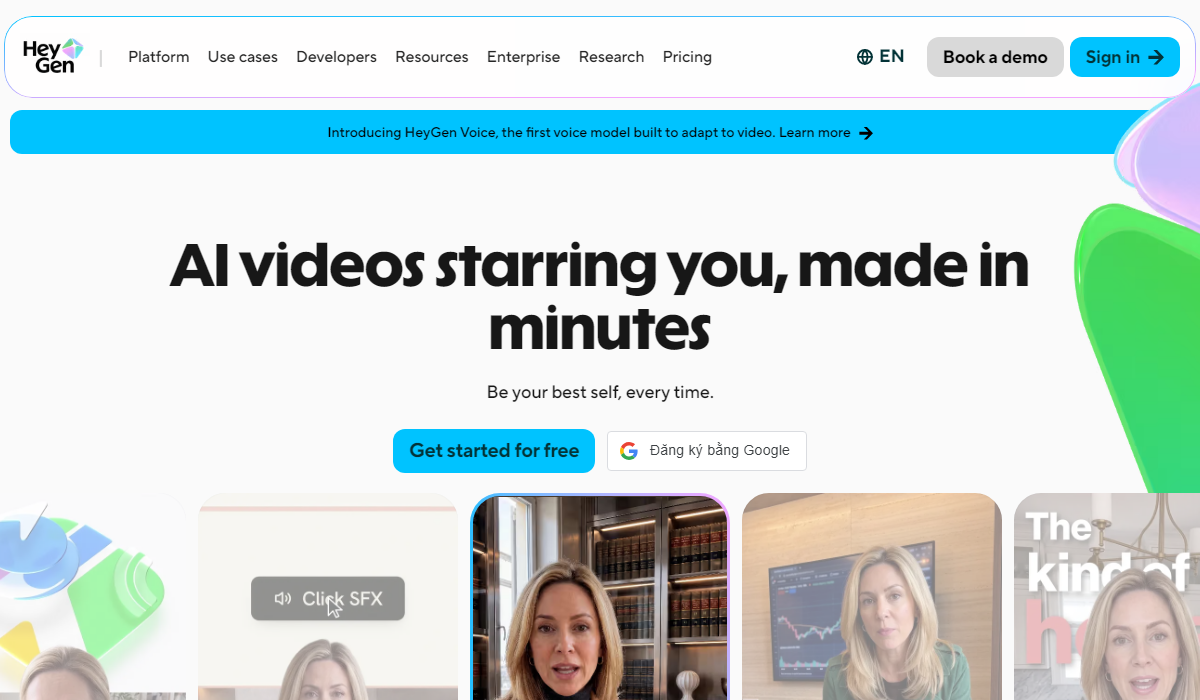
- Add video once the character is stable. Avatar and voice tools — HeyGen, ElevenLabs — turn a still character into a posting one. Do it after the face is consistent, not before.
Questions people ask
How much does it cost to start?
Image generation runs from free to about $30 a month. The real cost is time: producing a recognisable character consistently for months before anyone pays. Browse the UGC and ad creative tools for what the stack looks like.
Do I have to disclose that it is AI?
Yes, and increasingly you must. Platforms now require AI-generated content to be labelled, and advertising rules apply to a virtual endorser exactly as they do to a human one. Every successful case on this list is openly artificial — it has never been the obstacle people expect.
How long before it earns anything?
Nobody on this list got there in weeks. Aitana had built her audience over about eighteen months when those earnings were reported. Treat the first six months as production practice.
Is this the same as a faceless channel?
It is the next step from one. A faceless channel hides you; an AI influencer replaces you with a character that can itself be endorsed. The tools and the workflow overlap almost entirely.
What is the most common mistake?
Chasing photorealism. It is expensive, it breaks between images, and Noonoouri got Dior without it.
Sources
The roster of twelve comes from a public AI Influencer Case Studies document. Earnings figures for Aitana López are attributed to Forbes (November 2023) and Euronews, and are self-reported by her agency. The FN Meka account comes from contemporaneous reporting of Capitol Records' August 2022 statement.
Every influencer named links to the account it describes, so you can look rather than take our word for it. Only two are pictured: Instagram serves profiles behind a login wall, and of the characters' own websites only Shudu's and Noonoouri's render a usable image. The rest are linked rather than illustrated with a picture borrowed from somewhere it did not come from.
Follower and post counts come from Social Blade and were read on 30 August 2026. Instagram no longer serves profile data publicly — the profile page requires a login, and its public endpoints return either an error or an empty shell — so any follower table without a source and a date, including the one this piece started from, is a snapshot of an unknown moment. Ours will go stale too; that is what the date is for.
There are no affiliate links in this article. Some tools in our directory do pay us a referral commission, marked on the tool's own page. Our full position is on the about page.